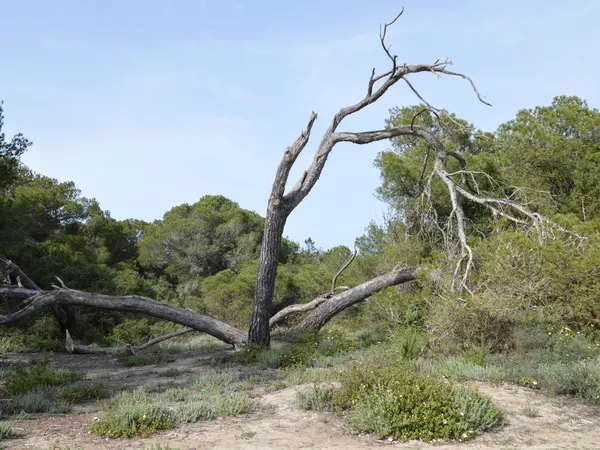
Aleppo pine
Pinus halepensis
The dominant tree of the area: it forms one of the best-preserved pine woods around Valencia, well adapted to the poor, dry rodeno soils.
 Montehorquera
 THE SURROUNDINGS
Monte Horquera sits at the foot of Les Rodanes, a natural area on reddish rodeno sandstone —an uncommon rock in the Valencia region— within the Parc Natural del Túria (Túria Natural Park). This distinctive soil supports more than 170 different plant species, with three botanical micro-reserves, and varied wildlife. This is a selection of the most representative species growing and living just steps from home, not a complete catalogue.
Pinus halepensis
The dominant tree of the area: it forms one of the best-preserved pine woods around Valencia, well adapted to the poor, dry rodeno soils.
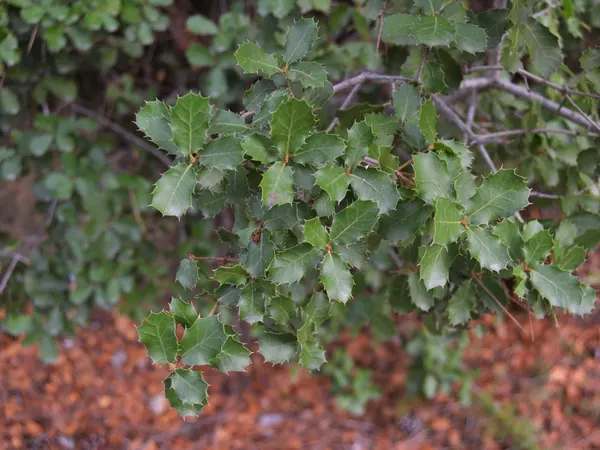
Quercus coccifera
A spiny evergreen shrub related to the holm oak; a key element of the scrub covering the hillsides.
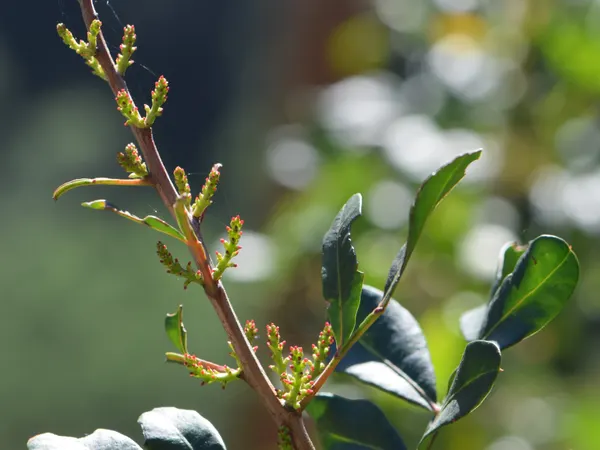
Pistacia lentiscus
An aromatic evergreen shrub with fruits that turn from red to black as they ripen. Typical undergrowth of the pine wood.
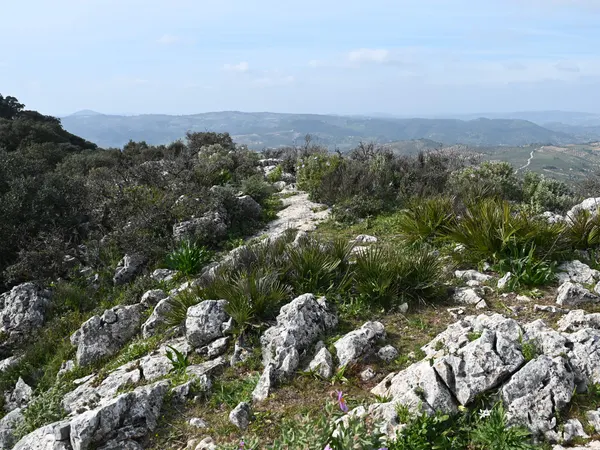
Chamaerops humilis
The only wild palm native to Europe. A protected species; its fan-shaped leaves dot the sunniest scrubland.
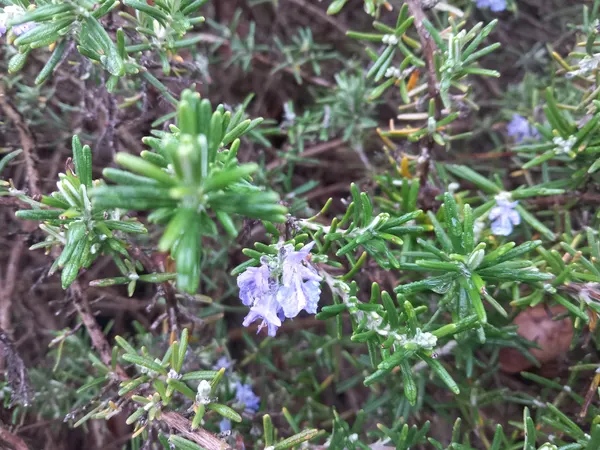
Rosmarinus officinalis
A woody, aromatic shrub with bluish flowers, strongly tied to rodeno soils. It blooms almost all year round.
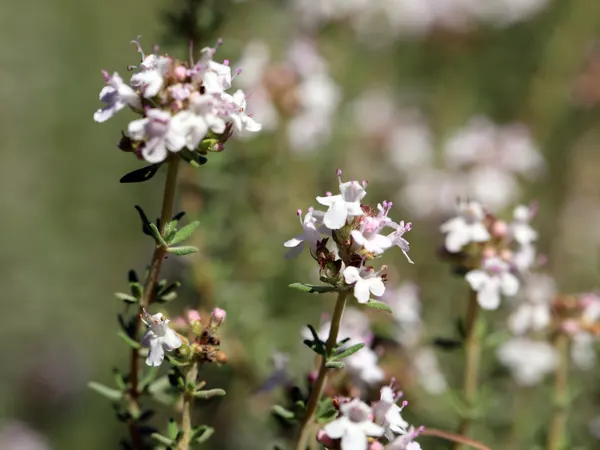
Thymus vulgaris
A small aromatic shrub of poor, sunny soils; one of the most representative plants of the rodeno.
Quercus ilex
The quintessential Mediterranean oak, with dense shade and acorns. It is a protected species within the area.
Cistus monspeliensis · Cistus salvifolius
White-flowered shrubs that dominate the clearings on the siliceous sandstone. They resprout vigorously after fire.
Arbutus unedo
An evergreen shrub with edible red fruit in autumn and winter. Protected within the area.
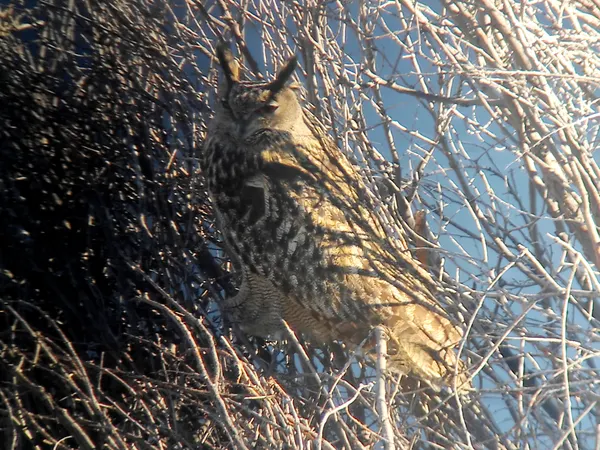
Bubo bubo
The largest owl in Europe: an imposing nocturnal bird of prey that hunts in the hills at dusk.
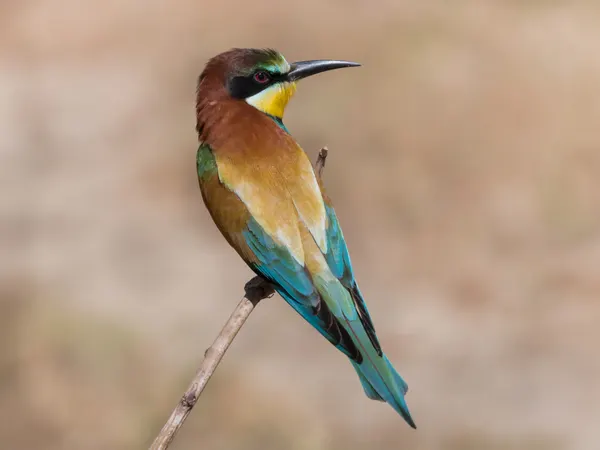
Merops apiaster
A very colourful bird that arrives in spring; it nests in earthen banks and catches insects in flight.
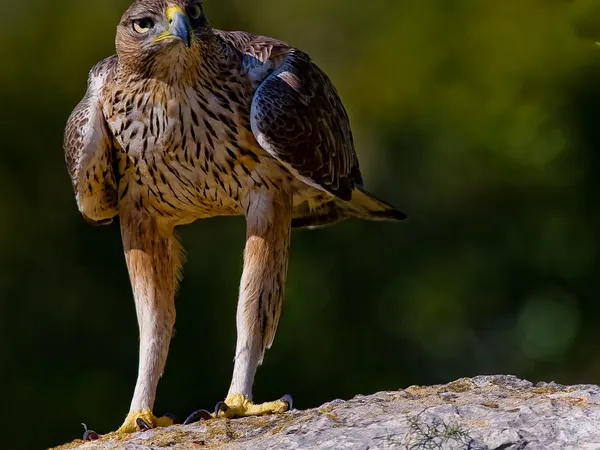
Aquila fasciata
An emblematic bird of prey of the Parc Natural del Túria, where it nests on the river cliffs —more so than on Les Rodanes itself—.
Buteo buteo · Falco tinnunculus · Accipiter nisus
Over the pine wood fly the common buzzard, the common kestrel and the Eurasian sparrowhawk, hunting through the clearings.
Tyto alba · Otus scops · Athene noctua
At nightfall, the barn owl, the Eurasian scops owl and the little owl emerge, the latter nesting in old trees and hedgebanks.
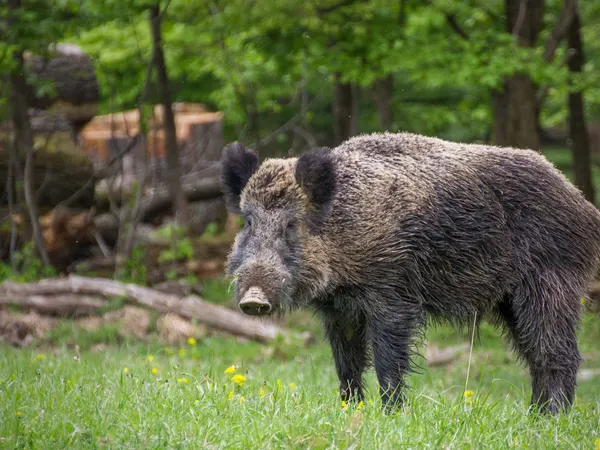
Sus scrofa
The great mammal of the hills. It constantly turns over the soil looking for roots and acorns; it is very common here.
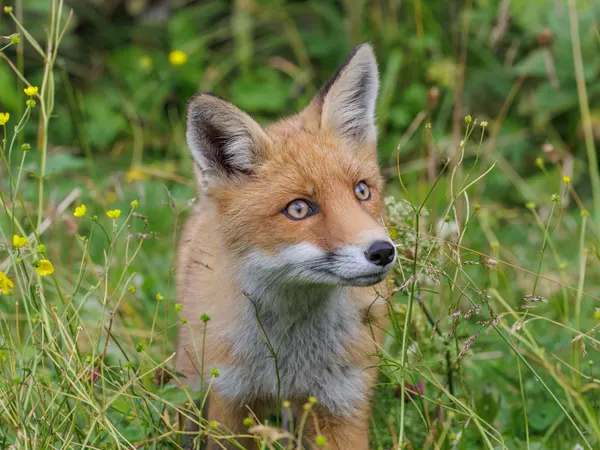
Vulpes vulpes
The most adaptable carnivore in the area; it moves along tracks and clearings at dusk.
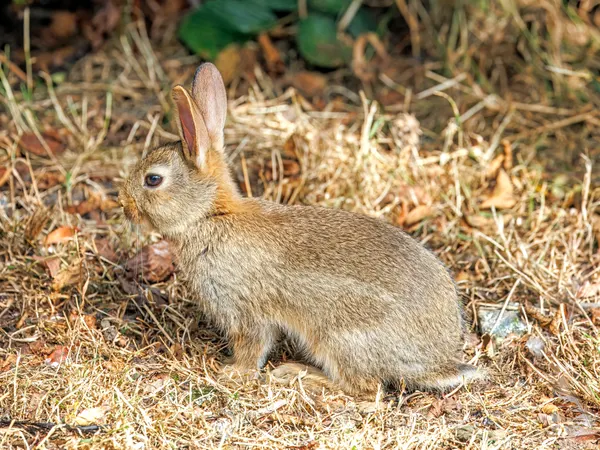
Oryctolagus cuniculus
A key prey species of the Mediterranean hills: much of the birds of prey and carnivores depend on it.
Meles meles · Martes foina · Mustela putorius · Mustela nivalis
The area is home to carnivores rarely seen elsewhere: badger, beech marten, polecat and weasel.
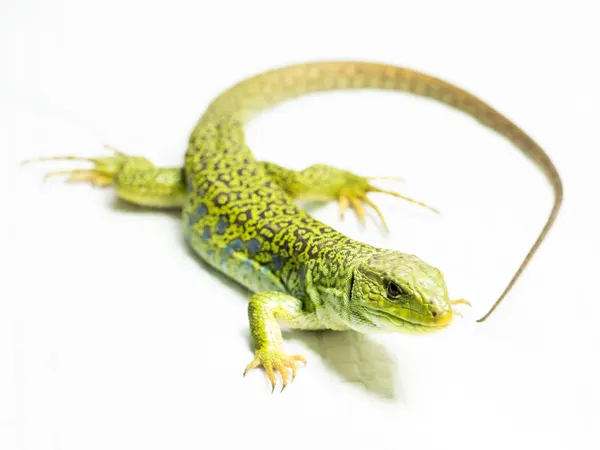
Timon lepidus
The largest lizard on the Iberian Peninsula. A protected species; it basks on rocky outcrops and clearings in the hills.
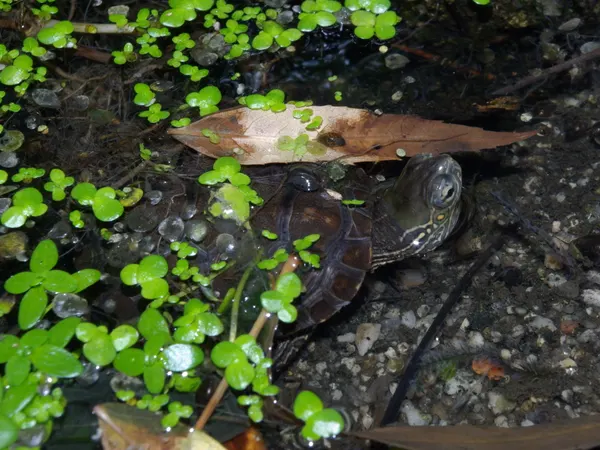
Mauremys leprosa
A native, threatened freshwater turtle; it lives in ponds and streams within the area, such as the Bassa Barreta.
Natrix maura
A water snake harmless to people, tied to ponds and the river. It is a protected species.
Epidalea calamita · Bufo spinosus · Alytes obstetricans
After the rains, the natterjack toad, the common toad and the midwife toad appear —the latter carrying the eggs wrapped around its legs.
This selection was compiled using the official park factsheet (Generalitat Valenciana), Wikipedia and local press; species with less certainty have been described with caution. Images are from Wikimedia Commons, with the author credited on each photo under free licences. Missing something, or spotted something that doesn't look right? Tell the community.