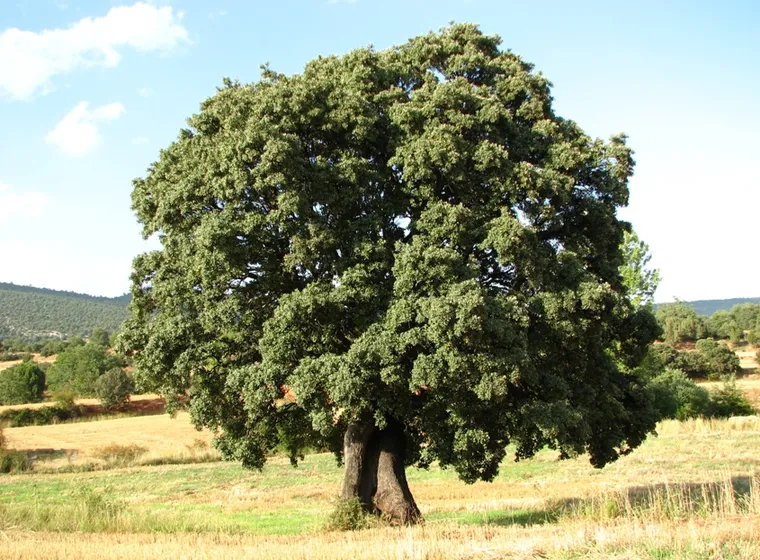
Holm oak
Low flammabilityQuercus ilex
- Very resistant to fire and drought.
- Leathery, evergreen leaves.
- Slow-growing, very long-lived.
In a fire: One of the safest: it resprouts after fire and its hard leaves burn with difficulty.
 Montehorquera
 MONTE HORQUERA · ENVIRONMENT
Monte Horquera sits right in the wildland–urban interface, at the foot of Les Rodanes: we live alongside the forest and, in summer, with the risk of fire. Self-protection is what each resident can do to make their home and surroundings safer.
The community's Self-Protection Plan
The community has a Self-Protection Plan against forest fires. It is a document of public interest: you can download it right here. It is also available to residents in the personal area, under Documents.
 Download the Self-Protection Plan (PDF) →
 A well-chosen, well-kept hedge reduces the intensity of fire and protects the home. These are Mediterranean species from our area. Each shows its flammability (following Mediterranean fire ecology): low-flammability species are best for the hedge; medium- or high-flammability ones are useful, but must be kept green, pruned and away from the house.
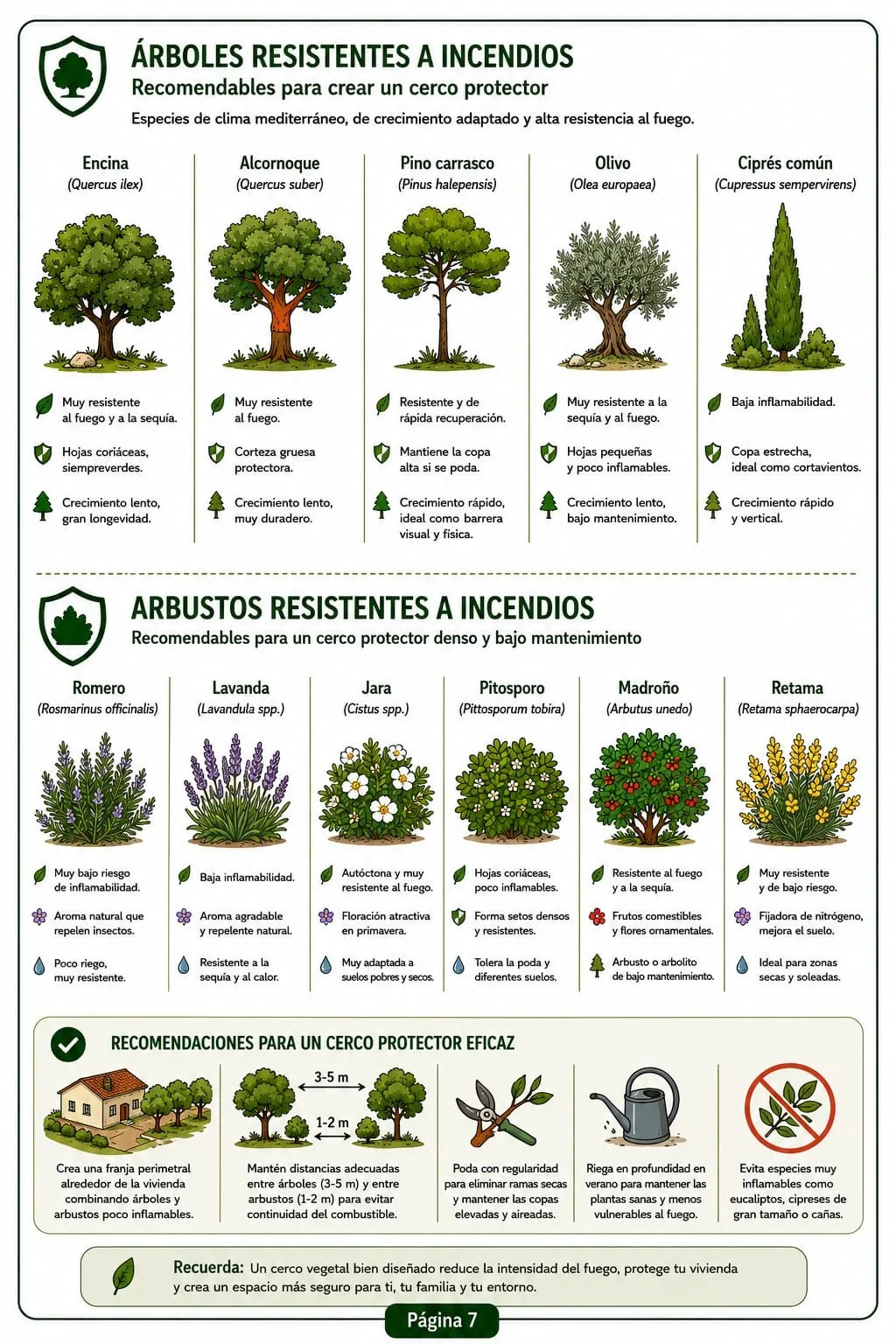
Quercus ilex
In a fire: One of the safest: it resprouts after fire and its hard leaves burn with difficulty.
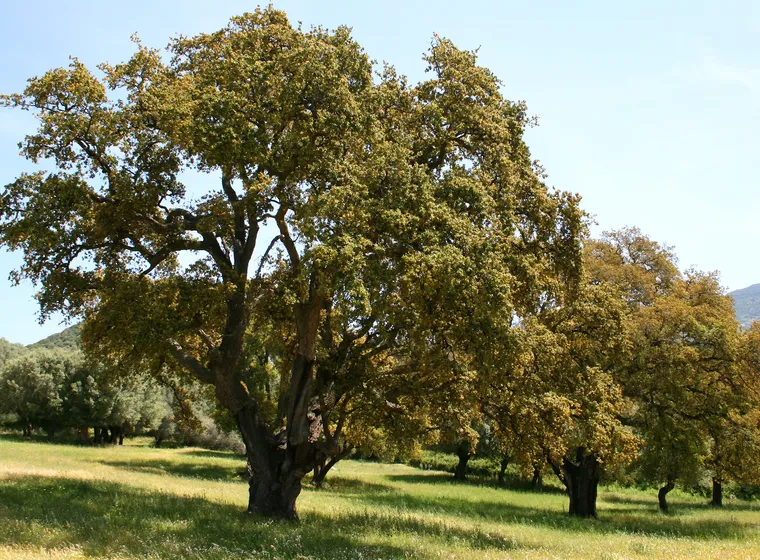
Quercus suber
In a fire: Its cork protects it from heat; it survives fires that kill other species.
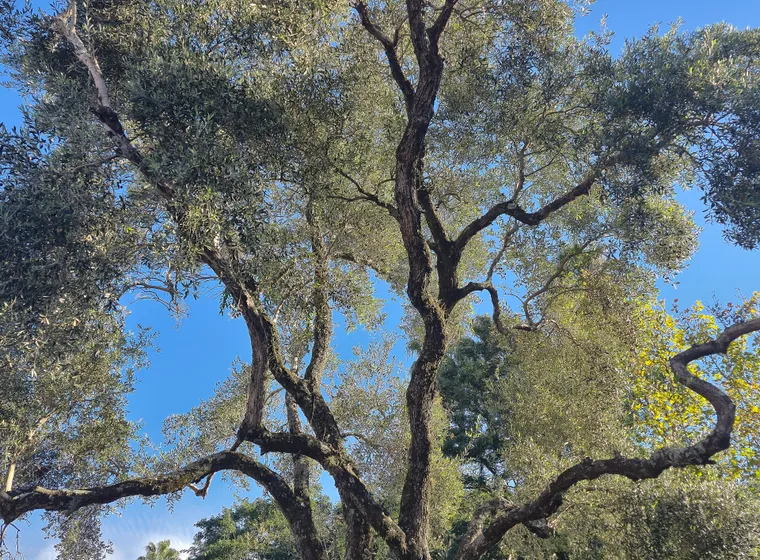
Olea europaea
In a fire: High water content and low-flammability leaves; resprouts easily.
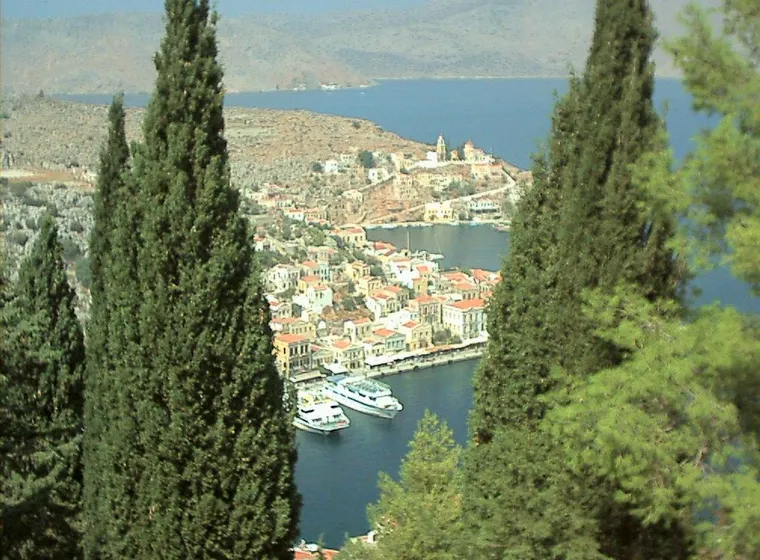
Cupressus sempervirens
In a fire: The STAR species as a barrier (see the Andilla case below): its spongy litter holds water and ignites with difficulty.
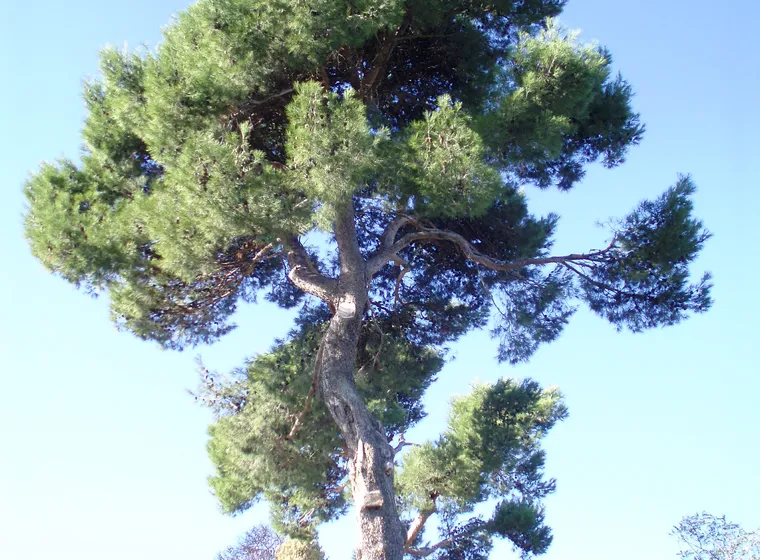
Pinus halepensis
In a fire: CAUTION: it is resinous and flammable (a pyrophyte). It recovers very well from seed, but keep it pruned and not against the house.
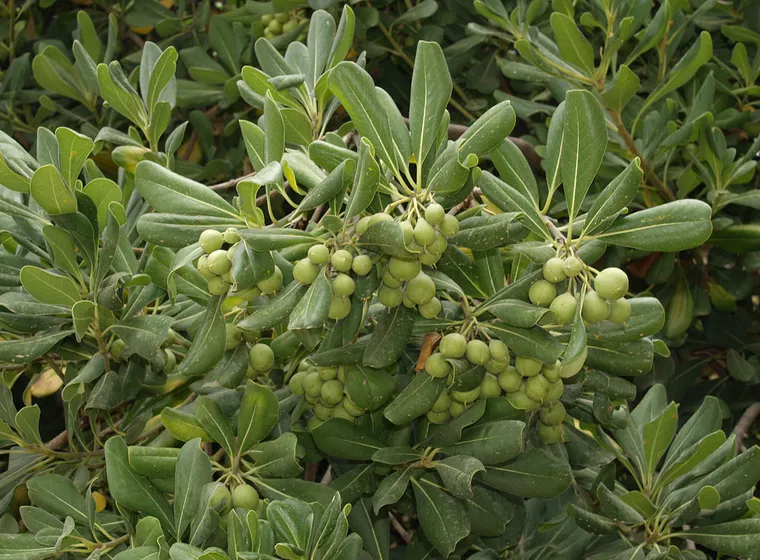
Pittosporum tobira
In a fire: Thick, water-rich leaves; a good low-flammability green hedge.
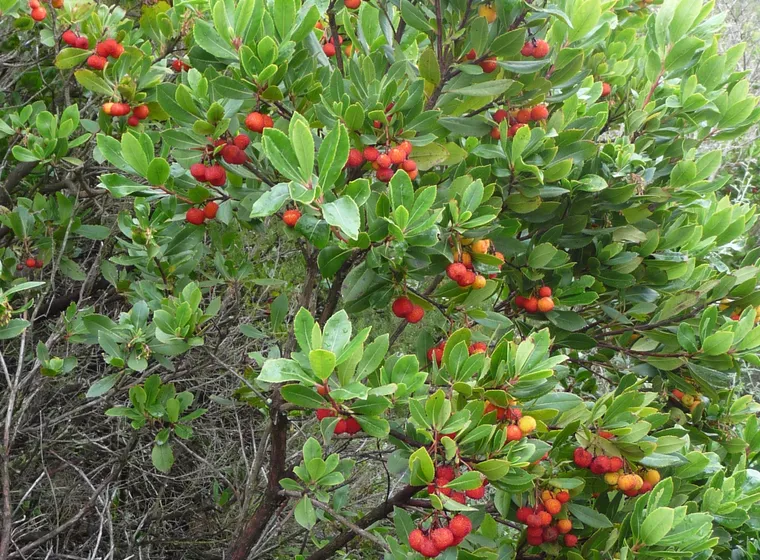
Arbutus unedo
In a fire: Leathery leaves and good ability to resprout after fire.
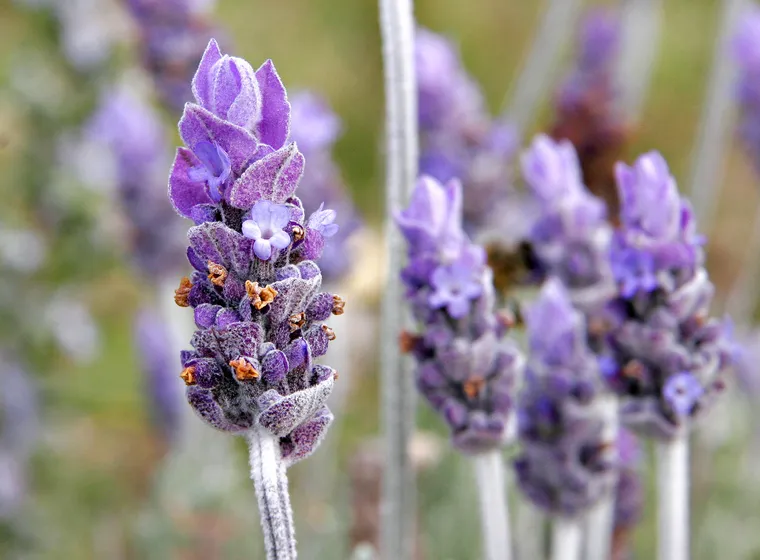
Lavandula spp.
In a fire: Aromatic: it contains flammable essential oils. Safe if kept green, pruned and free of dry material.
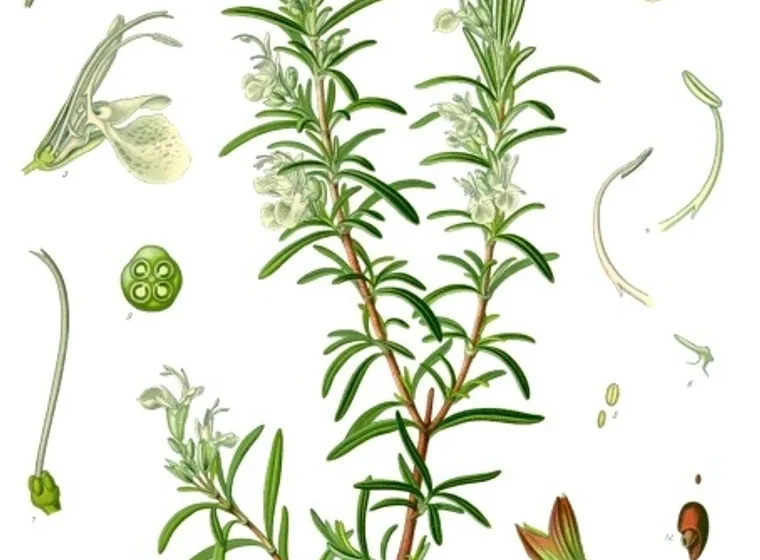
Salvia rosmarinus
In a fire: Aromatic and oily: burns easily if it dries out. Useful, but keep it green and away from the house.
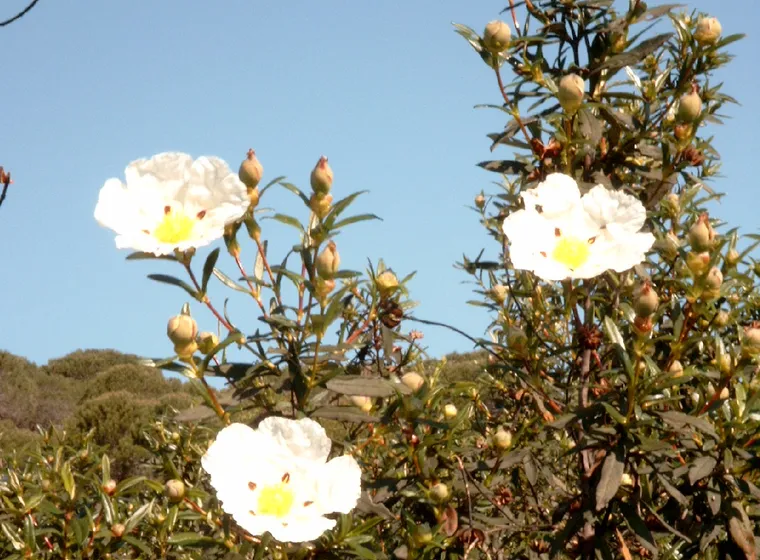
Cistus spp.
In a fire: CAUTION: it is resinous and a pyrophyte (uses fire to germinate). Pretty and native, but NOT a firebreak shield: keep it away from the house and thinned.
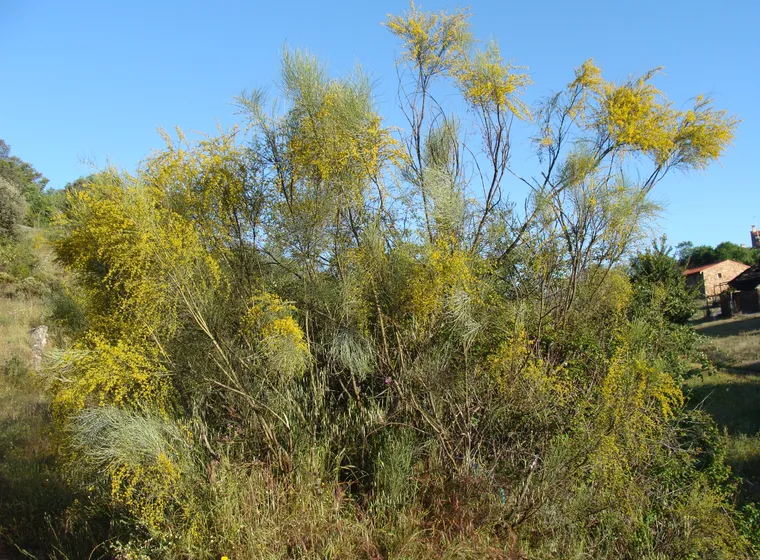
Retama sphaerocarpa
In a fire: A pioneer legume; when dry it burns easily. Useful for holding soil, but keep it green, thinned and away from the house.
Species photographs: Wikimedia Commons (free licences).
The Mediterranean cypress (Cupressus sempervirens) is the MOST fire-resistant cypress, well above others such as the Arizona cypress. The key is its low ignitability: its scales and the litter that falls to the ground are spongy and hold moisture for a long time, making it hard for fire to catch and spread.
The most cited example is right next door: in the Andilla fire (Valencia, July 2012), which burned some 20,000 hectares, an experimental plot of 946 cypresses about 22 years old was left almost intact —only 12 burned— while holm oaks, junipers and pines burned all around. More than 98% of the cypresses survived.
That is why the European CypFire project studied cypress hedges as firebreak barriers in the wildland–urban interface, exactly the kind of setting Monte Horquera is in. A dense, well-kept cypress hedge can slow the intensity of fire and protect homes.